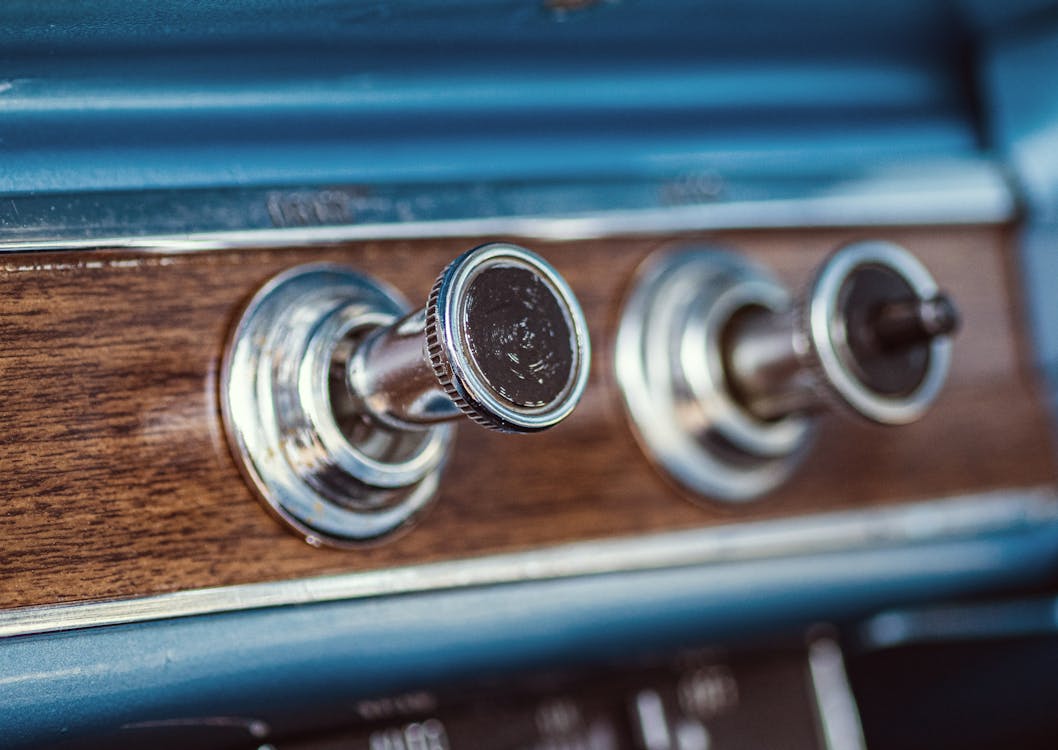
For the past years, automobile interiors have been swiftly progressing toward streamlined, screen-dominated control panels. Touchscreens changed standard knobs, sliders, and switches in what lots of assumed was the unpreventable march of development. Yet, in an unanticipated twist, physical switches are quietly making their way back right into modern automobiles. The shift signals more than simply a sentimental nod-- it's a response to real-world comments from vehicle drivers yearning simpleness, safety, and tactile contentment.
The Digital Overload Dilemma
When touchscreens first began taking over control panels, they seemed like the future: tidy, customizable, and packed with functions. They got rid of mess and permitted automakers to improve their interiors with fewer physical elements. However as even more attributes were hidden within electronic food selections, drivers began to voice issues.
Touchscreens frequently need several actions to do fundamental tasks like changing the climate or altering the radio station. Unlike buttons, they lack the intuitive muscular tissue memory that permits a motorist to transform a setting without taking their eyes off the roadway. With so much happening on-screen, it ends up being all too simple to obtain sidetracked-- something nobody desires when traveling at freeway rates.
The Return of Tactile Functionality
Among the greatest advantages of switches is their responsive comments. You can feel them without needing to look. This sensory reinforcement makes them not simply practical but safer for drivers. When your hand instinctively knows where the volume handle is or exactly how much to push a button to trigger the defrost, it lowers the need to look down or away from the road. And while touchscreens use convenience for infotainment and navigation, the crucial daily functions-- like threat lights, audio controls, and HVAC-- really feel better suited to physical controls.
As a matter of fact, lots of vehicle drivers that formerly swore by digital systems have revealed recognition for more recent designs that mix modern visual appeals with the sensible feeling of traditional controls. It's not about turning down technology-- it's regarding boosting usability.
A Balanced Design Philosophy
Designers have actually noticed this shifting belief. Rather than deserting displays, they're rethinking how they're integrated. The very best insides currently strike an equilibrium in between electronic versatility and analog precision. That implies tactically putting buttons for necessary features while using digital interfaces for apps, navigating, and media.
This hybrid approach is particularly popular in vehicles designed for long-distance driving or families. The ease of pressing a switch without messing up with a menu makes a huge difference when you're attempting to remain focused, comfortable, and safe. Also in automobiles understood for advanced tech, a simple rotating dial or responsive control can be the feature that wins over vehicle drivers searching for thoughtful design.
Buttons and the Emotional Connection
There's also something distinctly emotional about switches. They bring a certain degree of interaction that touchscreens just do not replicate. Pushing a button or transforming a dial feels like you're literally engaging with your vehicle-- it includes a layer of connection that makes the driving experience extra satisfying.
For those considering used Chevy cars, automobiles from current years typically supply the best of both globes: receptive touch user interfaces paired with traditional physical controls. These designs bridge the gap between development and knowledge, making them ideal for motorists that value modern-day features without sacrificing simplicity of use.
Modern Technology Isn't Just About Screens
It's very easy to merge modern technology with screens, but true development implies enhancing the vehicle driver experience. In this light, switches are a kind of clever layout. They're quickly, exact, and do not demand interest. As automobile style becomes progressively driver-centric, benefit and intuitiveness take center stage.
This additionally connections straight into the resale and trade-in value find more of vehicles. Vehicles that prioritize straightforward attributes have a tendency to age better in the eyes of future customers. If you're taking into consideration a Chevrolet trade in, knowing that your existing automobile offers an attentively developed inside, complete with conveniently available controls, can have a favorable effect.
The Future Is Functional
As car makers re-evaluate the role of user interfaces in the cabin, they're guided by motorist feedback and real-world functionality researches. The revival of switches does not indicate a go back to the past-- it's a step forward in thoughtful, user-first style. It recognizes that progression doesn't always indicate eliminating the old but integrating it in such a way that makes driving safer, simpler, and a lot more delightful.
If you're in the market and exploring Chevy new car deals, watch on exactly how different models manage their interior controls. It's not just about the touchscreen size-- it's about just how the lorry aids you remain concentrated on the road while making your daily commute much more intuitive. Buttons might not be the flashiest attribute, yet they're swiftly turning into one of the most valued.
For even more insights into automotive fads, interior design developments, and smart car purchasing ideas, be sure to examine back regularly. We're constantly updating the blog site with fresh ideas to aid you navigate the roadway in advance.